Dear colleagues:
Economic boycotts are a form of nonviolent action we may take to expect positive social change. Economic boycotts are an excellent way to exert peaceful pressure on bad actors. At the same time, and in tandem with boycotts, we also recognize the importance of investing our economic resources in the livelihood of peoples fighting for their human rights.
Using our power as consumers, we wish to disrupt the ability of Israel to inflict violence on the people of Palestine. And we wish to promote the welfare of Palestinians by supporting their enterprises. What follows are resources for a consumers’ boycott of companies with significant activities in Israel. We invite you to avoid making purchases from these companies.
- Boycott list from boycott-israel.org
- “Companies Profiting from the Gaza Genocide,” American Friends Service Committee
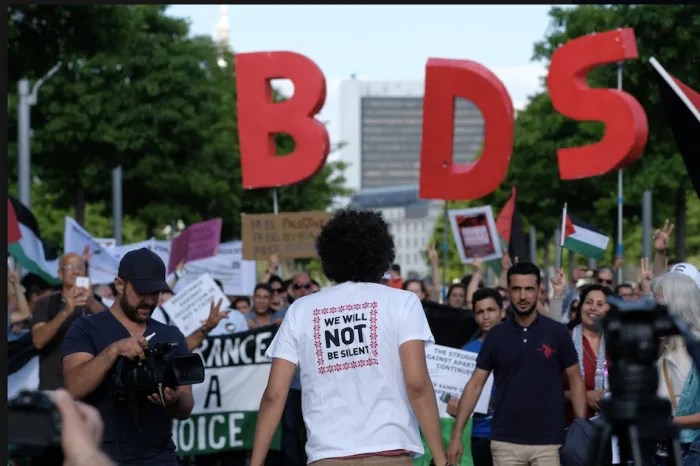
- BDS Movement website, maintained by Palestinian BDS National Committee
- Primary source of info on boycott targets (PDF attached to e-mail/below)
- Downloadable guides and educational materials
- Recommended “boycat” app
- Resources from ethicalconsumer.org
The U.S. imports high-tech goods, electronics (like integrated circuits), diamonds (cut and polished), pharmaceuticals, chemicals, and machinery from Israel, with computer and electronic products being the leading category, followed by miscellaneous manufactured goods and chemicals, reflecting Israel’s strong innovation in tech and defense sectors.
We wish to single out Chevron. Chevron has played a significant role in the exploitation of natural gas resources in the Eastern Mediterranean, namely the Leviathan and Tamar fields of Israel’s coast. The company has financially benefited from Israel’s control over maritime resources to which Palestinians have been denied access due to the blockade of Gaza and lack of maritime. NB: Chevron is involved in a number of geographic areas of conflict, such as Venezuela, Nigeria, Myanmar, etc.
In addition to branded items, we import numerous non-branded items from Israel. The U.S. imports food products, primarily fresh and prepared fruits/vegetables (like tomatoes and nuts), specialty items (Bamba, Bissli snacks, tahini, honey, Matzah), juices, chocolates, coffee, and spirits, alongside staples like processed foods, spices, and even pet food, with Israeli brands becoming increasingly common in American supermarkets. Key exports include prepared fruits, nuts, preserved vegetables, honey, tahini, and snack foods, highlighting a strong presence in the fresh and prepared food sectors.
We strongly urge non-consumption of these goods imported from Israel.
- Produce: Fresh and preserved vegetables (tomatoes, mushrooms), fruits, nuts, and fruit peels.
- Snacks: Bamba (peanut-flavored puff), Bissli (wheat snack), and Krembo (chocolate-covered marshmallow).
- Condiments and spreads: Tahini paste (Al Arz) and wildflower honey (YadMordechai).
- Bakery and staples: Matzah, spices, and croutons.
- Beverages: Fruit juices, vegetable juices, coffee extracts, beer, and distilled spirits.
- Processed foods: Chocolate and cocoa products, other processed vegetables, jams, and jellies.
- Other: Dog food, cat food, and beef products.
We encourage you to read the labels of goods and products to discover where they were made. Many products, with the exception of Trader Joe’s, have an address or at the least the country of origin on their label. If they were made in Israel, then write to the company and say what you are doing and why you are taking this action. We do not have an end date in mind for this consumer boycott.
Here are some resources about brands, goods, and products to purchase in support of Palestinian self-determination:
- Fair trade goods from Palestine
- Palestinian products often focus on fair trade, artisanal crafts, and cultural heritage.
- Darzah (embroidered goods), Equal Exchange (olive oil), Handmade Palestine, Hirbawi (Kufiya scarves), Zaytoun (olive oil), and curated marketplaces like Hilweh Market and Shop Palestine (MECA) all support Palestinian artisans and communities.
- Pro-Palestinian brands and pro-Palestinian charities
- Alternatives to companies on Ethical Consumer’s boycott list
 PAX Christi Metro New York